



An Animal Model for Autism Spectrum Disorder
Introduction
Autism spectrum disorder (ASD) is a group of heterogeneous neurodevelopmental disorders, characterized by underlying cognitive features such as early-onset deficits in social communication, repetitive behaviors, and highly restricted interests [1, 2]. Autism is often diagnosed and characterized on a spectrum, as its range of severity is wide and can co-occur with other symptoms such as intellectual disability, anxiety, depression, sleep disturbance, epilepsy, delayed motor development, and more [3]. Over 280 risk genes have been associated with autism [4, 5], which all contribute to its genetic heterogeneity and complexity [3, 4, 6]. Autism’s complex genetic basis suggests that differing combinations of genetic variants may lead to similar autistic phenotypes. The heterogeneous nature of autism spectrum disorder (ASD), characterized by a wide range of symptoms, severity, and genetic influences, could be better understood if scientists focus on refining and identifying specific genetic modules. This approach would provide a more targeted framework for research, ultimately guiding the development of more effective and personalized therapeutic interventions [6]. Understanding the mechanisms underlying ASD on a molecular level is a crucial area of research–one that relies on genetic manipulation and pharmacological models.
Beyond the molecular basis and mechanisms behind autism spectrum disorder, its connection to behavioral effects is another driver of research. Understanding this correlation is imperative in improving the quality of life of individuals with autism, but to study this, it is necessary to create a proper and insightful model in the laboratory. While animal models, like zebrafish and mice, are widely accepted in systems biology and neuroscience to be suitable models for genetically based studies [3, 4, 5, 6, 7, 8, 9, 10, 11], there is a trend among scientists to get more out of these models and begin characterizing ASD through functional behavioral tests [4, 5, 7, 8, 11, 12, 13].
Markers for validity have been established in translational neurodevelopment studies, three of which are the following: face validity (strong analogy to human phenotype), construct validity (whether the biological function observed in the animal matches the function in humans [14]), and predictive validity (analogous response between the animal model and humans to treatments and interventions). These three markers, when working in conjunction, are the basis of an effective animal model [15]. Research in the neurodevelopment field is rapidly expanding–understanding the mechanisms that contribute to autism spectrum disorder will come from novel discovery, and its ability to translate from a precise, adaptable animal model to humans. This review will focus on zebrafish and mice, which can be leveraged for ASD research through the detailing of molecular assays and the generation of novel behavioral models.

The Mouse Model
Mice are a hallmark of animal models in a diverse range of studies and scientific spheres because of well-established techniques to alter the genome and the ability to study brain function on multiple levels of analysis. As a model for autism in rodents, behavioral phenotyping has been in published literature for decades [15], with functional tests finding use as a reference, baseline, and indicator of autistic development. As of now, ASD studies have been dominated by these models [16, 17] with the field only recently looking towards other species.
The task of modeling human behavior in mice is not trivial, but it has been approached in various ways, with scientists getting closer to understanding the nuance that we see in ASD individuals. By now, scientists have established tests which gauge sociality and communication, as well as assays which help us understand the genetic makeup of ASD and possible pharmacological effects.
Behavioral Assays
Similar to the reduction in sociability that is seen in individuals with autism, researchers aim to develop behavioral tests that gauge the sociability of mice in a variety of ways. In a mouse model, a reduction in sociability and social interaction with other mice is linked with an ASD phenotype. There are several socialization tests that are well-established in mice which include, but are not limited to: the novel partner preference test [18], the reciprocal social interaction test [19], and the juvenile play test [14, 20]. Establishing experiments like these, with strong face validity, is an important first step in modeling and diving into autism research with animals. These tests can help scientists supplement genetically mutated rodents with a behavioral phenotype. While many behavioral assays would not be helpful on their own, these tests are required and reinforce the hypothesis that mice with autism specifically are being studied.
Furthermore, there are nonsocial behaviors described in the clinical diagnosis of ASD that are being modeled in mice as well. Commonly included in studies of late, are the self-grooming test [18], the repetitive novel object test [21, 22], the open-field test, the social transmission of food preference test [20], and the predator avoidance test [23]. Scientists try to understand the underlying biological mechanisms of behavior, so these tests are crucial in pairing behavior with mechanistic abnormalities; which is how they bridge the gap between the construct validity of molecular study and the face validity of behavioral study.
Lastly, a few assays have been formulated that assess communication deficits in mice. These are the social transmission of food preference test [20] and the impaired vocalization test [24]. While these tests get a rough gauge of communication phenotypes, they can serve as a supplement when used in conjunction with other well-established tests (such as the social interaction test or open-field test). It is important to note that none of these tests are performed in solitude since connecting multiple aspects of autism spectrum disorder is a key part of its study. Several factors are kept track of concurrently in research efforts, and behavior is just one aspect of the complex autism development model that is studied today. While behavioral tests are an important supplement to many hypotheses about ASD, it is common to connect these findings to molecular mechanisms in order to formulate a convincing model. It is imperative to connect the face validity of behavior to the construct validity of molecular models.
Molecular Assays
In studying neurodevelopment, a molecular approach is crucial in understanding the mechanisms of disorder and disease. Published genes in autism studies include CNTNAP2 [25], UBE3A [26], and other polymorphic genes associated with Rett syndrome, Fragile X syndrome [27], and more [16]. Genetic and pharmacological models of autism are the most common, thanks to the advent of new tools, such as CRISPR/Cas9 gene editing. With the aim of mimicking ASD symptoms, scientists are able to study the neurobiology of animal models using face validity, construct validity, and predictive validity.
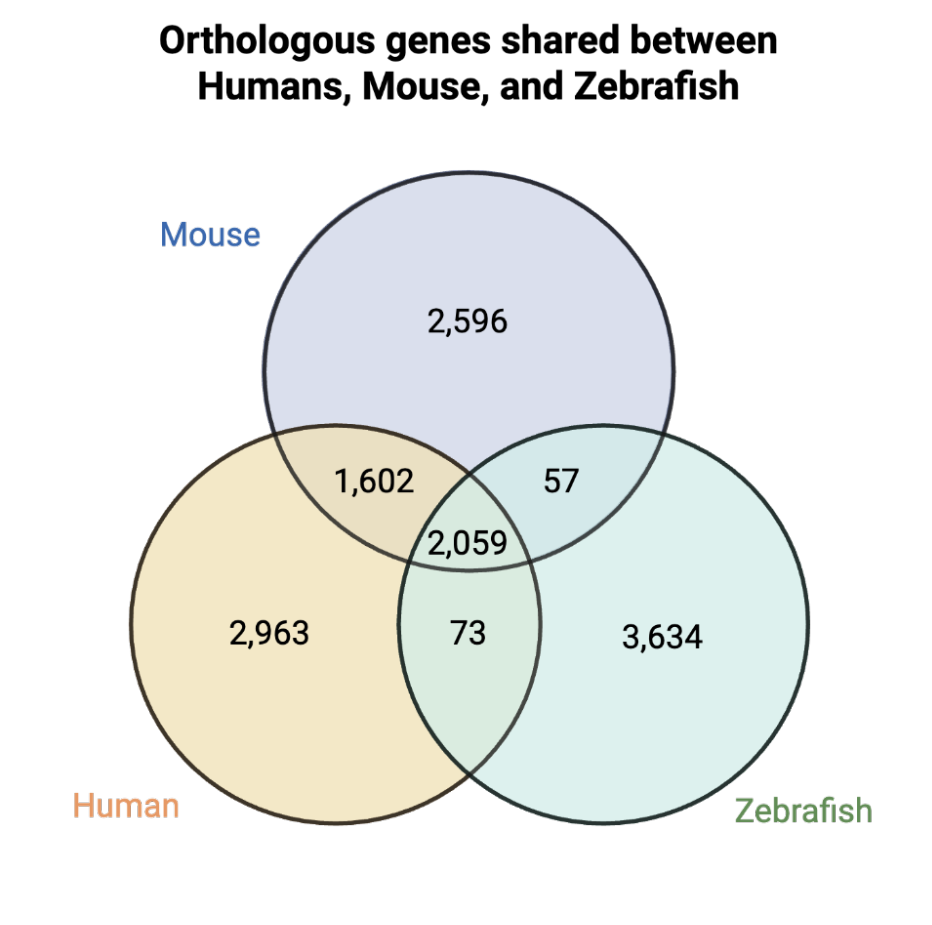
The most common genetic mouse model is created through reverse genetics, a system of altering orthologous ASD-linked genes–the gene in mice that is expected to have the same function as in humans since it evolved from a common ancestor by speciation [28]. For example, CRISPR/Cas9 knockout mice targeting the orthologous CNTNAP2 gene have systems associated with ASD such as autistic traits and abnormal neuronal network activity. [5] Another commonly studied gene in mice, Ube3a, is associated with the loss of maternal genomic information, which is responsible for Angelman syndrome. [29]. Genetic mouse models are extremely useful in their precision and validity, which is crucial in approaching the complexity of autism.
Another method to model ASD in mice is through pharmacological methods, such as administering a drug treatment. A popular one being the administration of valproic acid (VPA), an antiepileptic drug used to treat bipolar disorders, migraines, headaches, and neuropathic pain. It is a chemical used to induce ASD in mice since behavioral abnormalities similar to individuals with autism occur after treatment with this drug [30, 31, 32]. There are several other drugs used for mouse models of ASD due to their association with social deficits and preferences: arsenic [33], bisphenol A [34], chlorpyrifos [35], d-Amphetamine, GABA-A [36], ketamine [37], and phencyclidine [38]. While inducing ASD-like behavior in mice can offer a model for behavioral study, it can be challenging to translate this into treatment and clinical study. At a minimum, pharmacological models are useful in characterizing social behavior in mice, as a reference for novel gene and drug discovery. These models can provide a basis of comparison and control in wild-type versus mutant animals, offering a platform for the characterization of novel genes and the functionalization of previously unknown effects.
The Zebrafish Model
Another model for neurodevelopment study has presented itself in the Danio rerio species (zebrafish). Due to excellent tractability, ease of breeding and genetic manipulation, and amenability to high-throughput screening, zebrafish are important for research. Early development can be easily studied since they are naturally transparent in larval and early juvenile stages, and high fecundity offers large sample sizes for scientists to get data from. Zebrafish also have at least 70% homology with humans and neurodevelopmental processes are highly conserved between zebrafish and humans [39]. In terms of scientific utility, zebrafish have rapidly emerged as a model for a wide variety of biological study. Some examples of this have been shown through theories of a translational model for neuro-immune reactions in the enteric nervous system [7], drug screening neuro-chemical pathways [9], and social behavioral tests [8]. There is much potential in immunology, physiology, pharmacology, and many other fields beyond the autism research described here which benefit from zebrafish as a model.
It is fairly well-established that the face validity and construct validity of the zebrafish model are reliable, but there is much speculation about the predictive validity of zebrafish–whether findings in zebrafish will translate into treatments for humans [14]. Treatments found in zebrafish have struggled to find traction for two main reasons: (1) recent findings are still in the clinical trial process with the FDA and (2) the controversy over their predictive validity. Scientists with discoveries in zebrafish are always asked to “upscale” their findings into larger more “reliable” models like mice or monkeys to validate discoveries. This extrapolation process has significantly slowed down the process of translating discovery from zebrafish to humans. Nevertheless, it is understood among researchers that zebrafish are extremely useful for animal modeling [40]–which can be observed through the large increase of zebrafish in scientific literature in recent years–and the species’ utilization in a wide variety of studies.
Behavioral Assays
As seen in mice and humans, reduced social preference is indicative of an ASD phenotype [41], and research has proliferated in the field of behavioral methods. Many socialization techniques have been refined: the social preference test [8], the shoaling test [42], and the social interaction test [8, 43]. These tests are cheap and relatively easy to duplicate in the laboratory, only requiring a tank, mutant fish, and a camera. This ease-of-use format for behavioral assays in zebrafish has been attractive for researchers and ASD studies utilize this feature.
There are also nonsocial behavior tests for zebrafish, one of which, is an adapted version of the open-field test with mice [44], and others being the T-maze test [45], an anxiety indexing thigmotaxis test [46], and the predator avoidance test [47]. Being able to repeat many of these behavioral assays in mice and cross-referencing results is another key component in gauging the translational efficiency of animal models. Results and treatments do not always look the same in humans as they do in animals (predictive validity), so a zebrafish-to-mouse model pipeline is standard in creating a scaffold for upscaling research findings.

Molecular Assays
With a nearly identical approach to the mouse model, scientists can alter the zebrafish genome at orthologous loci in order to study neurodevelopmental disorders like ASD [48]. Genetic and pharmacological models are utilized, with zebrafish holding a significant advantage over mice when it comes to the throughput of these experiments.
There are a wide variety of modification techniques and they are useful in creating stable lines of zebrafish with the same mutation. Genetic modification in zebrafish started with morpholino-based (MO) expression silencing, which knocks down gene function without altering the sequence, by binding to a selected target. Many studies have been published using this technique, however, it was discovered that MO silencing is only effective temporarily, and is useful in larvae only up to four days post-fertilization [10]. Scientists then moved on to tools like targeted induced local lesions in the genome (TILLING) which causes random point mutations in the genome, but this method is uncommon now due to its randomness. Nuclease-based techniques like transcription activator-like effector nucleases (TALEN) and zinc-finger nucleases (ZFN) have been introduced, which allow for broader targeting potential, but are restricted to simple mutations [49, 50]. The emergence of CRISPR/Cas9 technologies [51, 52] has caused it to become the standard for genetic manipulation and the generation of stable lines because of its high specificity and reliability [53, 54, 55]. Laboratories working with novel genes typically create their own stable line of zebrafish which requires about a year of injecting, genotyping, and sorting multiple generations of fish. Once a new stable line is created, however, high-throughput experiments are very simple to carry out, and zebrafish provide a distinct advantage over other models because of this feature.
Similar to mice, pharmacological models are also employed to study ASD-like behaviors in zebrafish. The most-reported model is valproic acid (VPA), which is known to induce autism-like effects in zebrafish [56]. Embryonic exposure to VPA can lead to ASD in children, and that is why it is also utilized in various animal models. Zebrafish experience phenotypic changes like neural cell proliferation in the telencephalon [57] and decreased locomotor activity [58]. Other pharmacological models involve drugs such as noncompetitive glutamate N-methyl-D-aspartate (NMDA), and receptor antagonist dizocilpine (MK-801) which causes impaired shoaling and aggression in zebrafish [59, 60]. Administration of nicotine, ethanol [61], lead pollutants, and crude oil [62] also contribute to a variety of autism-like social behaviors and developmental exposure to chlorpyrifos can cause a decrease in dopamine levels in zebrafish until adulthood [63]. Characterization of autism spectrum disorder can be carried out by studying the effects of various drugs [64] and possible environmental factors associated with exposure to them. Zebrafish have become a fantastic model for high-throughput screening [65] of novel drugs [66] because of their large clutches, transparent bodies, and ease of breeding. As a pharmacological model in the laboratory, zebrafish provide scientists with an effective prototype for studying disease and disorder.
Conclusion
Mice are well established in the scientific community as a model with many tried and true methods for genetic manipulation and phenotyping. They are more closely related to humans evolutionarily compared to zebrafish, and display social behaviors with clear differences between mutants and controls. Zebrafish, on the other hand, have emerged as an effective model for similar studies due to their ease of genetic manipulation, rapid development, and viability for high-throughput experimentation. While they are not as closely related to humans as other models and it is difficult to make sense of some behavior, the field is moving in a direction that will allow for more refined methods on this frontier, and zebrafish will always be a viable model for neuro-mechanistic study. This allows scientists to extrapolate findings to mouse models and eventually to humans. The varying aspects of autism spectrum disorder can be understood in great detail with the rapid development and utility of these animal models.
An increase in research on autism spectrum disorder has called for a proper model. In characterizing and creating a model for such a nuanced and largely heterogeneous group of genes, scientists have primarily turned toward mice and zebrafish. In order to understand neurochemical and genetic mechanisms, scientists must consider their findings in conjunction with the impact on behavioral aspects of the disorder. Face validity, construct validity, and predictive validity in this case, can provide a good basis to work from, but it is not the only way to build a behavioral model. This has proved to be a challenge, and it is important to consider the advantages and disadvantages of each model and the broader impact of research on the scientific community.

About the Author: Aidan Elijah Baraban
I am a fourth year Neurobiology, Physiology, and Behavior major and a Music minor here at UC Davis. I love playing classical and jazz music and I participate in the UC Davis Symphony Orchestra and various chamber ensembles here with my clarinet in hand! I have always had an interest in biomedical research and I started exploring this by joining Dr. Megan Dennis’ Lab in my second year and working on characterizing human-specific gene duplications implicated in human brain evolution, as well as autism genetics with zebrafish as a model. I have worked on a collaborative project with Dr. Brenna Henn’s Lab of the Anthropology Department as well, using zebrafish to model novel skin pigmentation loci found in a Khoe-san speaking population from southern Africa. I spent last summer in Dr. Megan Martik’s lab at UC Berkeley working on some evolutionary and developmental biology questions related to the neural crest leveraging sea lamprey and frogs as a model as well. I am going to graduate school at UC Irvine next year to pursue a PhD in Neuroscience and have plans of staying in academia as a postdoc and hopefully a research professor one day!
Author’s Note
I wrote this literature review as part of my UWP 104E class, but chose this topic to gain a better understanding of some of the research I am interested in and involved in. I have always had curiosity for how scientists utilize various species to unlock the mysteries of human disease and behavior, so writing this review provided me a platform to engage with those ideas. I participate in the Dennis Lab at the Genome Center and have the opportunity to do autism research with zebrafish–I hope that a literature review on the topic can help others (like it helped me), gain a better understanding of the field and what goes into the science out there.
References
- American Psychiatric Association. 2013. Diagnostic and Statistical Manual of Mental Disorders [Book]. doi:10.1176/appi.books.9780890425596
- Lord C, Brugha TS, Charman T, Cusack J, Dumas G, Frazier T, Jones EJH, Jones RM, Pickles A, State MW, Lounds Taylor J, Veenstra-VanderWeele J. 2020. Autism spectrum disorder. Nat Rev Dis Primers [Internet]. 6(5). doi:10.1038/s41572-019-0138-4
- Willsey HR, Willsey AJ, Wang B, State MW. 2022. Genomics, convergent neuroscience and progress in understanding autism spectrum disorder. Nat Rev Neurosci [Internet]. 23:323–341. doi:10.1038/s41583-022-00576-7
- Dougnon G, Matsui H. 2022. Modelling Autism Spectrum Disorder (ASD) and Attention-Deficit/Hyperactivity Disorder (ADHD) Using Mice and Zebrafish. Int J Mol Sci [Internet]. 23(14):7550. doi:10.3390/ijms23147550
- Dawson MS, Gordon-Fleet K, Yan L, Tardos V, He H, Mui K, Nawani S, Asgarian Z, Catani M, Fernandes C, Drescher U. 2023. Sexual dimorphism in the social behaviour of Cntnap2-null mice correlates with disrupted synaptic connectivity and increased microglial activity in the anterior cingulate cortex. Commun Biol [Internet]. 6(1):846. doi:10.1038/s42003-023-05215-0
- LaFlamme B. 2015. Genetic modules for autism. Nat Genet [Internet]. 47(2):105–105. doi:10.1038/ng.3210
- Andersen-Civil AI, Sawale RA, Vanwalleghem GC. 2023. Zebrafish (Danio rerio) as a translational model for neuro-immune interactions in the enteric nervous system in autism spectrum disorders. Brain Behav Immun [Internet]. 112:254–266. doi:10.1016/j.bbi.2023.06.001
- Ariyasiri K, Choi T-I, Kim O-H, Hong TI, Gerlai R, Kim C-H. 2019. Pharmacological (ethanol) and mutation (sam2 KO) induced impairment of novelty preference in zebrafish quantified using a new three-chamber social choice task. Prog Neuropsychopharmacol Biol Psychiatry [Internet]. 88:53–65. doi:10.1016/j.pnpbp.2018.06.009
- Hoffman EJ, Turner KJ, Fernandez JM, Cifuentes D, Ghosh M, Ijaz S, Jain RA, Kubo F, Bill BR, Baier H, Granato M, Barresi MJF, Wilson SW, Rihel J, State MW, Giraldez AJ. 2016. Estrogens suppress a behavioral phenotype in zebrafish mutants of the autism risk gene, CNTNAP2. Neuron [Internet]. 89(4):725–733. doi:10.1016/j.neuron.2015.12.039
- Kok FO, Shin M, Ni C-W, Gupta A, Grosse AS, van Impel A, Kirchmaier BC, Peterson-Maduro J, Kourkoulis G, Male I, DeSantis DF, Sheppard-Tindell S, Ebarasi L, Betsholtz C, Schulte-Merker S, Wolfe SA, Lawson ND. 2015. Reverse genetic screening reveals poor correlation between Morpholino-induced and mutant phenotypes in zebrafish. Dev Cell [Internet]. 32(1):97–108. doi:10.1016/j.devcel.2014.11.018
- Xu Z-X, Kim GH, Tan J-W, Riso AE, Sun Y, Xu EY, Liao G-Y, Xu H, Lee S-H, Do N-Y, Lee CH, Clipperton-Allen AE, Kwon S, Page DT, Lee KJ, Xu B. 2020. Elevated protein synthesis in microglia causes autism-like synaptic and behavioral aberrations. Nat Commun [Internet]. 11(1). doi:10.1038/s41467-020-15530-3
- Mohapatra AN, Wagner S. 2023. The role of the prefrontal cortex in social interactions of animal models and the implications for autism spectrum disorder. Front Psychiatry [Internet]. 14:1205199. doi:10.3389/fpsyt.2023.1205199
- Taheri F, Joushi S, Esmaeilpour K, Sheibani V, Ebrahimi MN, Taheri Zadeh Z. 2023. Music alleviates cognitive impairments in an animal model of autism. Int J Dev Neurosci [Internet]. 83(5):399–416. doi:10.1002/jdn.10260
- Crawley JN. 2008. Behavioral phenotyping strategies for mutant mice. Neuron [Internet]. 57(6):809–818. doi:10.1016/j.neuron.2008.03.001
- Silverman JL, Yang M, Lord C, Crawley JN. 2010. Behavioural phenotyping assays for mouse models of autism. Nat Rev Neurosci [Internet]. 11(7):490–502. doi:10.1038/nrn2851
- Hulbert SW, Jiang Y-H. 2016. Monogenic mouse models of autism spectrum disorders: Common mechanisms and missing links. Neuroscience [Internet]. 321:3–23. doi:10.1016/j.neuroscience.2015.12.040
- Sgritta M, Dooling SW, Buffington SA, Momin EN, Francis MB, Britton RA, Costa-Mattioli M. 2019. Mechanisms underlying microbial-mediated changes in social behavior in mouse models of autism spectrum disorder. Neuron [Internet]. 101(2):246-259. doi:10.1016/j.neuron.2018.11.018
- Jhun M, Panwar A, Cordner R, Irvin DK, Veiga L, Yeager N, Pechnick RN, Schubloom H, Black KL, Wheeler CJ. 2020. CD103 deficiency promotes autism (ASD) and attention-deficit hyperactivity disorder (ADHD) behavioral spectra and reduces age-related cognitive decline. Front Neurol [Internet]. 11:557269. doi:10.3389/fneur.2020.557269
- Lyall K, Croen L, Daniels J, Fallin MD, Ladd-Acosta C, Lee BK, Park BY, Snyder NW, Schendel D, Volk H, Windham GC, Newschaffer C. 2017. The changing epidemiology of Autism Spectrum Disorders. Annu Rev Public Health [Internet]. 38(1):81–102. doi:10.1146/annurev-publhealth-031816-044318
- McFarlane HG, Kusek GK, Yang M, Phoenix JL, Bolivar VJ, Crawley JN. 2008. Autism-like behavioral phenotypes in BTBR T+tf/J mice. Genes Brain Behav [Internet]. 7(2):152–163. doi:10.1111/j.1601-183x.2007.00330.x
- Pearson BL, Pobbe RL, Defensor EB, Oasay L, Bolivar VJ, Blanchard DC, Blanchard RJ. 2010. Motor and cognitive stereotypies in the BTBR T+tf/J mouse model of autism. Genes Brain Behav [Internet]. 10(2):228–235. doi:10.1111/j.1601-183x.2010.00659.x
- Reynolds S, Urruela M, Devine DP. 2013. Effects of environmental enrichment on repetitive behaviors in the BTBR T+tf/J mouse model of autism. Autism Res [Internet]. 6(5):337–343. doi:10.1002/aur.1298
- Amaral VC, Santos Gomes K, Nunes-de-Souza RL. 2010. Increased corticosterone levels in mice subjected to the rat exposure test. Horm Behav [Internet]. 57(2):128–133. doi:10.1016/j.yhbeh.2009.09.018
- Roullet FI, Wöhr M, Crawley JN. 2011. Female urine-induced male mice ultrasonic vocalizations, but not scent-marking, is modulated by social experience. Behav Brain Res [Internet]. 216(1):19–28. doi:10.1016/j.bbr.2010.06.004
- Alarcón M, Abrahams BS, Stone JL, Duvall JA, Perederiy JV, Bomar JM, Sebat J, Wigler M, Martin CL, Ledbetter DH, Nelson SF, Cantor RM, Geschwind DH. 2008. Linkage, association, and gene-expression analyses identify CNTNAP2 as an autism-susceptibility gene. Am J Hum Gen [Internet]. 82(1), 150–159. doi:10.1016/j.ajhg.2007.09.005
- Kishino T, Lalande M, Wagstaff J. 1997. UBE3A/E6-AP mutations cause Angelman syndrome. Nat Genet [Internet]. 15(1):70–73. doi:10.1038/ng0197-70
- Darnell JC, Van Driesche SJ, Zhang C, Hung KYS, Mele A, Fraser CE, Stone EF, Chen C, Fak JJ, Chi SW, Licatalosi DD, Richter JD, Darnell RB. 2011. FMRP stalls ribosomal translocation on mRNAs linked to synaptic function and autism. Cell [Internet]. 146(2):247–261. doi:10.1016/j.cell.2011.06.013
- Pensado-López A, Veiga-Rúa S, Carracedo Á, Allegue C, Sánchez L. 2020. Experimental models to study autism spectrum disorders: hiPSCs, rodents and zebrafish. Genes [Internet]. 11(11):1376. doi:10.3390/genes11111376
- Smith SE, Zhou Y-D, Zhang G, Jin Z, Stoppel DC, Anderson MP. 2011. Increased gene dosage of Ube3a results in autism traits and decreased glutamate synaptic transmission in mice. Sci Transl Med [Internet]. 3(103):103ra97–103ra97. doi:10.1126/scitranslmed.3002627
- Bambini-Junior V, Rodrigues L, Behr GA, Moreira JC, Riesgo R, Gottfried C. 2011. Animal model of autism induced by prenatal exposure to valproate: Behavioral changes and liver parameters. Brain Res [Internet]. 1408:8–16. doi:10.1016/j.brainres.2011.06.015
- Ergaz Z, Weinstein-Fudim L, Ornoy A. 2016. Genetic and non-genetic animal models for Autism Spectrum Disorders (ASD). Reprod Toxicol [Internet]. 64:116–140. doi:10.1016/j.reprotox.2016.04.024
- Kolozsi E, Mackenzie RN, Roullet FI, Decatanzaro D, Foster JA. 2009. Prenatal exposure to valproic acid leads to reduced expression of synaptic adhesion molecule neuroligin 3 in mice. Neuroscience [Internet]. 163(4):1201–1210. doi:10.1016/j.neuroscience.2009.07.021
- Htway S-M, Sein M-T, Nohara K, Win-Shwe T-T. 2019. Effects of developmental arsenic exposure on the social behavior and related gene expression in C3H adult male mice. Int J Environ Res Public Health [Internet]. 16(2):174. doi:10.3390/ijerph16020174
- Yu C, Tai F, Song Z, Wu R, Zhang X, He F. 2011. Pubertal exposure to bisphenol A disrupts behavior in adult C57BL/6J MICE. Environ Toxicol Pharmacol [Internet]. 31(1):88–99. doi:10.1016/j.etap.2010.09.009
- Lan A, Kalimian M, Amram B, Kofman O. 2017. Prenatal chlorpyrifos leads to autism-like deficits in C57BL6/J Mice. Environ Health [Internet]. 16(1):43. doi:10.1186/s12940-017-0251-3
- Hanks AN, Dlugolenski K, Hughes ZA, Seymour PA, Majchrzak MJ. 2013. Pharmacological disruption of mouse social approach behavior: Relevance to negative symptoms of schizophrenia. Behav Brain Res [Internet]. 252:405–414. doi:10.1016/j.bbr.2013.06.017
- Gao X-M, Elmer GI, Adams-Huet B, Tamminga CA. 2009. Social memory in mice: Disruption with an NMDA antagonist and attenuation with antipsychotic drugs. Pharmacol Biochem Behav [Internet]. 92(2):236–242. doi:10.1016/j.pbb.2008.11.016
- Qiao H, Noda Y, Kamei H, Nagai T, Furukawa H, Miura H, Kayukawa Y, Ohta T, Nabeshima T. 2001. Clozapine, but not haloperidol, reverses social behavior deficit in mice during withdrawal from chronic phencyclidine treatment. Neuroreport [Internet]. 12(1):11–15. doi:10.1097/00001756-200101220-00010
- Howe, K. 2020. The zebrafish genome sequencing project: Bioinformatics resources. Behavioral and Neural Genetics of Zebrafish [Book]. 551–562. doi:10.1016/b978-0-12-817528-6.00031-0
- Sakai C, Ijaz S, Hoffman EJ. 2018. Zebrafish Models for Neurodevelopmental Disorders: Past, Present, and Future. Front Mol Neurosci [Internet]. 11:294. doi:10.3389/fnmol.2018.00294
- Dreosti E, Lopes G, Kampff AR, Wilson SW. 2015. Development of social behavior in young zebrafish. Front Neural Circuits [Internet]. 9:39. doi:10.3389/fncir.2015.00039
- Moretz JA, Martins EP, Robison BD. 2006. The effects of early and adult social environment on zebrafish (Danio rerio) behavior. Environ Biol Fishes [Internet]. 80(1):91–101. doi:10.1007/s10641-006-9122-4
- Gerlai R, Lahav M, Guo S, Rosenthal A. 2000. Drinks like a fish: Zebrafish (Danio rerio) as a behavior genetic model to study alcohol effects. Pharmacol Biochem Behav [Internet]. 67(4):773–782. doi:10.1016/s0091-3057(00)00422-6
- MacPhail RC, Brooks J, Hunter DL, Padnos B, Irons TD, Padilla S. 2009. Locomotion in larval zebrafish: Influence of time of day, lighting and ethanol. Neurotoxicology [Internet]. 30(1):52–58. doi:10.1016/j.neuro.2008.09.011
- Ngoc Hieu BT, Ngoc Anh NT, Audira G, Juniardi S, Liman RA, Villaflores OB, Lai Y-H, Chen J-R, Liang S-T, Huang J-C, Hsiao C-D. 2020. Development of a modified three-day T-Maze Protocol for evaluating learning and memory capacity of adult zebrafish. Int J Mol Sci [Internet]. 21(4):1464. doi:10.3390/ijms21041464
- Schnörr SJ, Steenbergen PJ, Richardson MK, Champagne DL. 2012. Measuring thigmotaxis in larval zebrafish. Behav Brain Res [Internet]. 228(2):367–374. doi:10.1016/j.bbr.2011.12.016
- Spinello C, Yang Y, Macrì S, Porfiri M. 2019. Zebrafish adjust their behavior in response to an interactive robotic predator. Front Robot AI [Internet]. 6:38. doi:10.3389/frobt.2019.00038
- Rea V, Van Raay TJ. 2020. Using zebrafish to model autism spectrum disorder: A comparison of ASD risk genes between zebrafish and their mammalian counterparts. Front Mol Neurosci [Internet]. 13:575575. doi:10.3389/fnmol.2020.575575
- Varshney GK, Burgess SM. 2013. Mutagenesis and phenotyping resources in zebrafish for studying development and human disease. Brief Funct Genomics [Internet]. 13(2):82–94. doi:10.1093/bfgp/elt042
- Wang H, Yang H, Shivalila CS, Dawlaty MM, Cheng AW, Zhang F, Jaenisch R. 2013. One-step generation of mice carrying mutations in multiple genes by CRISPR/Cas-mediated genome engineering. Cell [Internet]. 153(4):910–918. doi:10.1016/j.cell.2013.04.025
- Jinek M, Chylinski K, Fonfara I, Hauer M, Doudna JA, Charpentier E. 2012. A programmable dual-RNA-guided DNA endonuclease in adaptive bacterial immunity. Science [Internet]. 337(6096):816–821. doi:10.1126/science.1225829
- Jao L-E, Wente SR, Chen W. 2013. Efficient multiplex biallelic zebrafish genome editing using a CRISPR nuclease system. Proc Natl Acad Sci U S A [Internet]. 110(34):13904–13909. doi:10.1073/pnas.1308335110
- Moreno-Mateos MA, Vejnar CE, Beaudoin J-D, Fernandez JP, Mis EK, Khokha MK, Giraldez AJ. 2015. CRISPRscan: designing highly efficient sgrnas for CRISPR-Cas9 targeting in vivo. Nat Methods [Internet]. 12(10):982–988. doi:10.1038/nmeth.3543
- Uribe-Salazar JM, Kaya G, Sekar A, Weyenberg K, Ingamells C, Dennis MY. 2022. Evaluation of CRISPR gene-editing tools in zebrafish. BMC Genomics [Internet]. 23(12). doi:10.1186/s12864-021-08238-1
- Vejnar CE, Moreno-Mateos MA, Cifuentes D, Bazzini AA, Giraldez AJ. 2016. Optimized CRISPR–Cas9 system for genome editing in zebrafish. Cold Spring Harb Protoc [Internet]. 2016(10). doi:10.1101/pdb.prot086850
- Dwivedi S, Medishetti R, Rani R, Sevilimedu A, Kulkarni P, Yogeeswari P. 2019. Larval zebrafish model for studying the effects of valproic acid on neurodevelopment: An approach towards modeling autism. J Pharmacol Toxicol Methods [Internet]. 95:56–65. doi:10.1016/j.vascn.2018.11.006
- Lee Y, Kim Y-H, Yun J-S, Lee C-J. 2013. Valproic acid decreases the proliferation of telencephalic cells in zebrafish larvae. Neurotoxicol Teratol [Internet]. 39:91–99. doi:10.1016/j.ntt.2013.07.004
- Baronio D, Puttonen HA, Sundvik M, Semenova S, Lehtonen E, Panula P. 2018. Embryonic exposure to valproic acid affects the histaminergic system and the social behaviour of adult zebrafish (Danio rerio). Br J Pharmacol [Internet]. 175(5):797–809. doi:10.1111/bph.14124
- Seibt KJ, Piato AL, da Luz Oliveira R, Capiotti KM, Vianna MR, Bonan CD. 2011. Antipsychotic drugs reverse MK-801-induced cognitive and social interaction deficits in zebrafish (Danio rerio). BehavBrain Res [Internet]. 224(1):135–139. doi:10.1016/j.bbr.2011.05.034
- Zimmermann FF, Gaspary KV, Siebel AM, Bonan CD. 2016. Oxytocin reversed MK-801-induced social interaction and aggression deficits in zebrafish. Behav Brain Res [Internet]. 311(15):368–374. doi:10.1016/j.bbr.2016.05.059
- Miller N, Greene K, Dydinski A, Gerlai R. 2013. Effects of nicotine and alcohol on zebrafish (Danio rerio) shoaling. Behav Brain Res [Internet]. 240:192–196. doi:10.1016/j.bbr.2012.11.033
- Wang Y, Zhong H, Wang C, Gao D, Zhou Y, Zuo Z. 2016. Maternal exposure to the water-soluble fraction of crude oil, lead and their mixture induces autism-like behavioral deficits in zebrafish (Danio rerio) larvae. Ecotoxicol Environ Saf [Internet]. 134:23–30. doi:10.1016/j.ecoenv.2016.08.009
- Eddins D, Cerutti D, Williams P, Linney E, Levin ED. 2010. Zebrafish provide a sensitive model of persisting neurobehavioral effects of developmental chlorpyrifos exposure: Comparison with nicotine and pilocarpine effects and relationship to dopamine deficits. Neurotoxicol Teratol [Internet]. 32(1):99–108. doi:10.1016/j.ntt.2009.02.005
- Collier AD, Khan KM, Caramillo EM, Mohn RS, Echevarria DJ. 2014. Zebrafish and conditioned place preference: A translational model of drug reward. Prog Neuropsychopharmacol Biol Psychiatry [Internet]. 55:16–25. doi:10.1016/j.pnpbp.2014.05.014
- Colón-Rodríguez A, Uribe-Salazar JM, Weyenberg KB, Sriram A, Quezada A, Kaya G, Jao E, Radke B, Lein PJ, Dennis MY. 2020. Assessment of Autism Zebrafish Mutant Models Using a High-Throughput Larval Phenotyping Platform. Front Cell Dev Biol [Internet]. 8:586296. doi:10.3389/fcell.2020.586296
- MacRae CA, Peterson RT. 2015. Zebrafish as tools for drug discovery. Nat Rev Drug Discov [Internet]. 14(10):721–731. doi:10.1038/nrd4627