


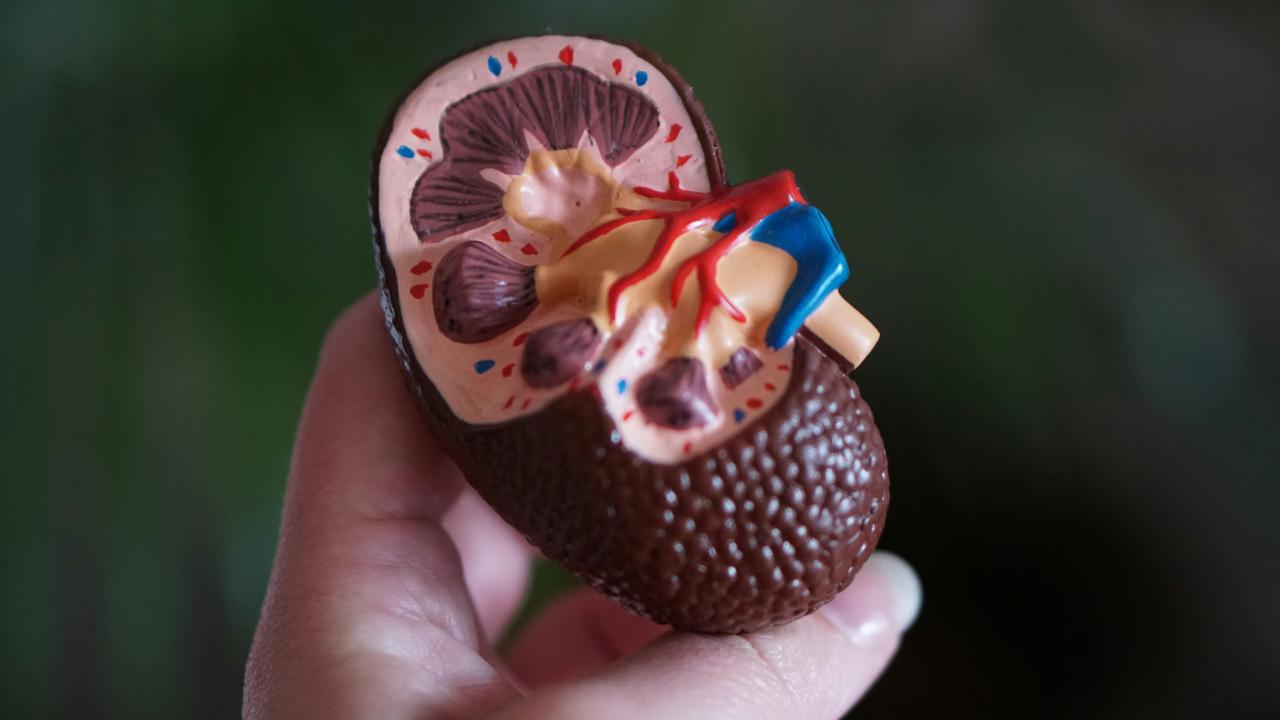
Adapted Pig Kidneys for Xenotransplantation Clinical Trials
Background
Currently, over 90,000 people are waiting for a kidney transplant in the United States alone [1]. End-stage renal disease affects 2 in 1000 Americans, whose only treatment options are dialysis or a kidney transplant [2]. Dialysis does the work of the kidneys by filtering out waste and excess fluid. However, serious drawbacks include frequent, time-consuming appointments and an increased risk of blood clots, which cause dialysis to fail [3]. Therefore, the ideal treatment option is transplantation of a functioning kidney. However, the supply of human kidneys is always less than the demand. Thus, researchers turned to xenotransplantation, in which the donor is from a different species than the recipient. Non-human primates (NHPs), including baboons and chimpanzees, the first attempted donors due to their similar size and close evolutionary relationship to humans. These trials indicated that a xenotransplanted kidney from an NHP could function appropriately in a human by producing urine and clearing creatinine [4,5]. However, the recipients’ bodies soon began rejecting the xenotransplant. Antirejection medicine proved to be effective at first, but within days the body would begin rejecting the kidney again. Ultimately, the high dose of immunotherapy drugs needed to keep the rejection crisis at bay stripped the recipient's immune system, leading to lethal infections and death [4]. Despite one outlier patient who lived for 9 months with her chimpanzee kidney [5], NHPs declined in popularity as potential donors due to their high risk of causing hyperacute rejection (HAR), an immediate immune response in the body due to the presence of certain antigens, as well as the potential to transmit primate diseases to humans [6].

Researchers then turned to pigs as donors due to their anatomical similarity to humans. Benefits of pigs include their large litter, ability to be genetically altered, and ethically justified role as organ donors since they are regularly used for consumption [6]. Since 2024, four porcine kidneys have been xenotransplanted into living human patients, demonstrating the progress made through NHP and decedent (brain-dead) models. The first recipient lived with his functioning transplant for 56 days, until he passed from an unexpected cardiac event that his doctors believe was unrelated to his transplant [7]. The second recipient received both a heart pump, an implanted device that helps your heart beat when you are in severe heart failure, and a kidney transplant. She had her kidney for 47 days until doctors removed it to transition her to hospice care. Doctors were unable to wean her off blood pressure medications associated with the heart pump, which left her with inadequate blood flow to the kidney, causing it to fail [8]. The third recipient had her kidney for 130 days, until it suddenly stopped functioning. Doctors are currently unsure of the cause, but a potential explanation is that they lowered her immunosuppressant while she was fighting off an infection unrelated to the transplant [9]. The final recipient, who received his kidney on January 25, 2025, is doing well through his routine checkups and is the current longest-surviving recipient of a porcine kidney.
Massachusetts General Hospital, where the final transplant was performed, has been granted permission by the FDA to do two more kidney xenotransplants this year, an important step towards it becoming a widely available treatment [10]. Before this treatment can be offered to the public, however, clinical trials must show that the kidney is safe and won’t cause harm to the patient. This review will discuss the current state of research on porcine kidney xenotransplantation, including advancements in genetic engineering that have made this type of transplant possible, and the benefits and challenges of starting a clinical trial.

Managing Hyperacute Rejection Through Genetic Editing
Despite NHPs not being ideal donors, they are good models for how a treatment would work in the human body. Original attempts at transplanting a pig kidney into an NHP led to hyperacute rejection (HAR) with immunoglobulin M (IgM) deposits, in which preformed primate antibodies bind to antigens on the transplanted organ, leading to injury of the renal blood vessels as the immune response begins [11]. This process, called the classical complement pathway, triggers the activation of the complement system, resulting in decreased blood flow to the graft and ultimately necrosis [12]. Further research has identified the epitopes within the pig kidney that natural human antibodies react to. The main problem is ɑ-galactosyl, an epitope found in all mammals except for NHPs and humans [13]. Endogenous anti-gal antibodies can be removed from the NHP’s blood serum through adsorption, a process that involves binding antibodies to red blood cells and then separating those cells from the blood serum. By using adsorption to remove the anti-gal antibodies, the survival time of primates increased [6]. A drawback of this method is that it is temporary, as it only removes the products, not the gene in charge of production. Since the gene is still present, this method is not heritable and would need to be done on every pig's kidney before transplant.

Addressing the problem at the genetic level, rather than through adsorption, allows for better patient outcomes and increases the heritability of the change. The major antigen on the porcine kidney is galactose-α-1,3-galactose glycan (α-Gal) which is produced by the GGTA1 gene in pigs. Somewhat lesser antigens include N-glycolylneuraminic acid glycan (Neu5Gc) produced by the CMAH gene and SDa blood antigen produced by β4GalNT2 [14]. The development of the CRISPR/Cas9 gene editing technology has allowed for these antigen-encoding genes to be removed from the porcine kidney before transplantation. The CRISPR method uses single-guide RNA (sgRNA) with complementary base pairing to the gene of interest, guiding Cas9 endonucleases to the target site. Cas9 recognizes protospacer adjacent motifs (PAM) near the target sequence and induces double-stranded breaks in the DNA, cleaving the gene of interest [15]. Removing only the gene encoding for α-Gal creates galactosyltransferase knockout pigs (GTKO), while having two or three antigens removed creates double knockout (DKO) or triple knockout (TKO) pigs. This is accomplished by microinjecting CRISPR/Cas 9 components that target the α-Gal gene into a zygote in an early development stage. Although the end goal is to create a mutant that is homozygous for these knockouts, inherent DNA repair mechanisms and limitations of CRISPR most often lead to heterozygous pigs with only one null allele. While heterozygous pigs can be bred to get homozygous recessive ones, this is time-consuming, and success is not guaranteed. Instead, injecting an α1,3GT knockout vector via electrical pulses nullifies the second allele. Researchers can then use Toxin A from Clostridium difficile to bind to cells that are positive for α1,3Ga and destroy them, which gets rid of any remaining cells positive for the problem epitope. This leaves only DKO cells to pick from for cloning. To clone, the nucleus of a wild-type pig oocyte can be replaced with a nucleus from a KO pig cell, making an egg with the genetic modification. KO pigs can then be bred to maintain a larger population [13]. While these antigen knockouts increased survival in NHPs, more edits are needed to ensure long-term survival. The longest surviving NHPs with porcine kidneys is 2 years with 69 genetic edits [16].
Managing Antibody-Mediated Rejection and Porcine Endogenous Retroviruses
Immediate graft rejection in the form of HAR can be avoided with some genetic modifications, but there are other challenges presented by using a donor organ from another species. For example, there are concerns about antibody-mediated rejection (AMR), a slower form of rejection, and cross-species infection from pig to human with porcine endogenous retroviruses (PERVs). These concerns called for further genetic editing using the CRISPR method and assessment of the standard immunosuppression region for its effectiveness.
Antibody-mediated rejection (AMR) is a slower form of rejection in which the recipient’s body makes antibodies that target the donor organ, causing an immune response that can damage the organ. When wild-type pig cells are exposed to primate and human serum, the porcine kidney cells bind a large amount of immunoglobulin G (IgG) and immunoglobulin M (IgM); these values are significantly reduced with TKO pig cells. Additionally, inserting human genes further decreases the immune response. Humanized porcine kidneys work to prevent immune response through the insertion of a transgenic construct, Payload 15S (PL15S), into the genome. PL15S includes seven human genes: two from the complement cascade (CD46, CD55), two from the coagulation cascade (THBD, PROCR), and three genes involved in immunity, apoptosis, and inflammation (CD47, TNFAIP3, HMOX1). Pig cells with the TKO and inserted human genes reduced the immune response more than the TKO alone (Anand et. al, 2023). These edits have allowed AMR to be delayed even further, but not entirely prevented. Still, AMR can be fought through plasma exchange and intravenous immunoglobulin [21]. Despite the high number of edits, eGenesis, a company developing genetically modified pigs, has not found any problems with functionality in the kidney [16].
Immunosuppression is a standard in transplantation to prevent an immune response against a foreign object. Exact immunosuppressive drug regimens for xenotransplantation are still being developed. A CD140-CD154 pathway blockade has proven effective in preventing rejection in NHPs and has shown success in decedents in China, but it has not been approved for human use in the United States [17]. Clinical trials and decedent models would allow for further testing of alternative drugs. Montgomery et al. have attempted a different method using only Gal KO pigs but also transplanting the tissue from the thymus, a gland involved in the immune system. They believe that transplanting this as well, preferably before the kidney, would allow the recipient to build a tolerance to the organ before it arrives [18]. Further work is needed to assess the viability of this method, as the decedent models have had too short a time frame and the living transplant had underlying heart conditions that caused the graft to be removed early [19].
Porcine endogenous retroviruses (PERVs) are present in the genome of all pigs. These retroviruses can insert their RNA into a host cell, which then gets reverse transcribed into DNA inside the cell, changing its genome. Typically, these viruses remain inactive in the pigs, but there is concern for using pig organs for transplant, as some variations of PERVs can infect humans. At least three types of PERVs can infect human cells in culture and become active after transplant [20]. PERV-A and B can infect human cells, while PERV-C only affects pig cells. PERV A and C can combine and form a more infectious form of PERV-A (PERV A/C) [21]. Overall, no infections from PERVs have occurred, but it is still a concern. Some latent infections, where the pathogen remains dormant in the body, have appeared in recipients, demonstrating gaps in the screening processes of the donor organ. This is an area for further research and development, as most hospitals do not currently have the capability to screen for animal diseases [6]. For example, an FDA compassionate use patient who received a porcine heart tested positive for a latent porcine virus that may have been activated and contributed to the graft dysfunction [22]. As many as 59 retroviral inactivation (RI) knockouts have been introduced in donor pigs in order to mitigate the risk of PERVs [16]. In 2024, doctors performed the first living pig-to-human kidney transplant with 69 genetic edits including 59 RI knockouts. This transplant was successful and the kidney functioned properly until his death caused by an underlying heart condition. There was no evidence of rejection or PERV transmission [19].
Progress Towards Clinical Trials
While NHPs are valuable human-like models, using them to test organs with human genes inserted does not give an entirely accurate representation of a human response. Clinical trials are necessary to understand exactly how a pig kidney would function in the human body [3]. Until recently, all living recipients of pig organs had died, despite NHPs lasting up to two years with their xenotransplant [16]. Decedent models are human, but have significant changes in their physiology, potentially impacting the results of the study. Additionally, due to ethical considerations, the time frame for observation of these models is often too short to get accurate data on long-term survival [23]. Four patients have been allowed under the FDA’s compassionate use program to receive this experimental xenotransplantation treatment. All patients demonstrated the functionality of the kidney, but unfortunately, the first two have passed due to conditions unrelated to the transplant, and the third had hers removed after it stopped working [20]. This is a downside of the FDA’s program, as patients must have life-threatening conditions and be denied other treatments to be considered. This means they are not the ideal candidate for a xenotransplant and likely will not allow for long-term observation. Clinical trials would allow for better data collection with healthier candidates. Most problems originally found with xenotransplants have been mitigated or managed, making this procedure the safest it has been. In February of 2025, the FDA granted Revicor, a biotech company that genetically modifies porcine organs for transplant, approval to conduct a formal clinical trial with six patients, potentially allowing for as many as fifty patients depending on results [9]. Massachusetts General Hospital, where the latest living transplant occurred, performed that surgery as the first stage of a three person study granted by the FDA [10].
From an ethical standpoint, this new type of treatment brings up concerns, including animal welfare issues, potential disease risks, and religious restrictions. Economic worries exist about the expense of making xenotransplantation widely available, as the necessary programs, animals, genetic editing, housing, and pathogen-free facilities all contribute to the high cost of the procedure. It remains unclear whether insurance will cover this type of treatment, and if this the best use of the medical budget. As with any clinical trial, there is also the concern of who can be included in the trial, whether this treatment surpass the standard and change the waiting list, and who will regulate the safety of these trials [24]. Overall, ethics will need to be considered in every aspect of future trials, but the potential to save countless lives may be well worth the effort.
Conclusion
Research is focused on porcine xenotransplantation because of its potential to treat an often terminal disease that affects so many people. The initial issue of HAR has been mitigated with genetic editing, and AMR can be delayed with treatment. Yet, AMR research must continue to progress towards a clinical trial. Non-human primates and decedent models react in different ways to current AMR treatments and it is unclear if living patients would react or not. While PERVs are serious concern, few infections have been recorded, and they are unlikely to present in clinical trials. Still, methods of screening for PERVS need work, and if trials become widespread, many hospitals will need to upgrade their testing abilities. Clinical trials will also need to focus on how many genetic edits are necessary for survival and functionality, and what immunosuppression regimen works the best, since the most promising drug is not FDA-approved. There is a lot of benefit to be gained from clinical trials, as many concerns can only be worked out in human patients, through the generosity of trial participants.
Author’s Note
I have always been fascinated by organ transplantation, but the shortage of available organs makes it difficult for everyone in need to receive one. Additionally, most life-saving organ transplants require the loss of another person's life. While researching a topic for my UWP 102B literature review assignment, I discovered the current state of research on using pig organs for transplants. I wanted to dive into the progress of the research and see how close we are to using pig organs instead of human organs, if that is even possible. I wrote about the journey of this research topic and how a clinical trial is the next step toward making this a widely available treatment.
References
- Organ Procurement & Transplantation Network. Data. Accessed March 22, 2025. Available from: https://optn.transplant.hrsa.gov/data/.
- National Institute of Diabetes and Digestive and Kidney Diseases. Kidney Disease Statistics for the United States. Accessed March 22, 2025. Available from: https://www.niddk.nih.gov/health-information/health-statistics/kidney-disease.
- Böhmig GA, Diebold M, Budde K. 2024. Opinions on the Future of Clinical Pig Kidney Xenotransplantation. Transpl Int. 37:13475.
- Stabzl TE, Marchioro TL, Peters GN, et al. 1964. Transplantation. RENAL HETEROTRANSPLANTATION FROM BABOON TO MAN. 2:752–776.
- Reemtsma K. 1969. Ann N Y Acad Sci. RENAL HETEROTRANSPLANTATION FROM NONHUMAN PRIMATES TO MAN. 162(1): 412-418.
- Sykes M. 2022. Developing pig-to-human organ transplants. Science. 378(6616):135–136.
- NYU Langone Health. First-Ever Combined Heart Pump & Gene-Edited Pig Kidney Transplant Gives New Hope to Patient with Terminal Illness. Accessed March 22, 2025. Available from: https://nyulangone.org/news/node/34872.
- Stat+. Mass General doctor reveals cause of death of historic pig kidney transplant patient. Accessed March 22, 2025. Available from: https://www.statnews.com/2024/11/15/cardiac-cause-of-death-of-historic-pig-kidney-transplant-patient/.
- Cohen J. 2025. Exclusive: Longest human transplant of a pig organ fails. Science. doi: 10.1126/science.zf6ro7f
- Harvard Medical School. Surgeons Perform Second Pig Kidney Transplant at Massachusetts General Hospital. Accessed March 22, 2025. Available from:https://hms.harvard.edu/news/surgeons-perform-second-pig-kidney-transplant-massachusetts-general-hospital.
- Platt JL, Fischel RJ, Matas AJ, et al. 1991. IMMUNOPATHOLOGY OF HYPERACUTE XENOGRAFT REJECTION IN A SWINE-TO-PRIMATE MODEL. Transplantation. 52(2):214-220.
- Busch GJ, Martins AC, Hollenberg NK, Wilson RE, Colman RW. 1975. A primate model of hyperacute renal allograft rejection. Am J Pathol. 79(1):31–56.
- Phelps CJ, Koike C, Vaught T, et al. 2002. Production of alpha 1,3-Galactosyltransferase-Deficient Pigs. Science. 299(5605):411–414.
- Fischer K, Rieblinger B, Hein R, et al. 2020. Viable pigs after simultaneous inactivation of porcine MHC class I and three xenoreactive antigen genes GGTA1, CMAH and B4GALNT2. Xenotransplantation. 27(1):e12560.
- Jinek M, Chylinski K, Fonfara I, et al. 2012. A Programmable Dual-RNA-Guided DNA Endonuclease in Adaptive Bacterial Immunity. Science. 337(6096):816–821.
- Anand RP, Layer JV, Heja D, et al. 2023. Design and testing of a humanized porcine donor for xenotransplantation. Nat. 622(7982): 393–401.
- Ma S, Qi R, Han S et al. 2024. Plasma exchange and intravenous immunoglobulin prolonged the survival of a porcine kidney xenograft in a sensitized, deceased human recipient. Chin Med J. 110.1097
- Montgomery RA, Griesemer AD, Segev DL, Sommer P. 2024. The decedent model: A new paradigm for de-risking high stakes clinical trials like xenotransplantation. Am J Transplant. 24(4):526–532
- Kozlov M. 2024. Pig-organ transplants: what three human recipients have taught scientists. Nat. 629: 980-981
- van der Laan LJW, Lockey C, Griffeth BC, et al. 2000. Infection by porcine endogenous retrovirus after islet xenotransplantation in SCID mice. Nat. 407(6800):90–94.
- Lu T, Sun B, Yu T, et al. 2022. Porcine Endogenous Retroviruses: Quantification of the Viral Copy Number for the Four Miniature Pig Breeds in China. Front Microbiol. 13:840347
- Mohiuddin MM, Singh AK, Scobie L, et al. 2023. Graft dysfunction in compassionate use of genetically engineered pig-to-human cardiac xenotransplantation: a case report. Lancet. 402(10399):397-410.
- Porrett PM, Orandi BJ, Kumar V, et al. 2022. First clinical‐grade porcine kidney xenotransplant using a human decedent model. Am J Transplant. 22(4): 1037-1053.
- Bayliss G. 2022. Practical Ethical Concerns in Allocation of Pig Kidneys to Humans. Clin Kidney J. 15 (12): 2161-2168.