Fellow explorer! We are currently migrating content published before 2024. Archives of our old website are available at Wayback Machine.


News

We’re All Going to Die, but Will It be via Mass Extinction?

In this age of reinvigorated populism, it is easy to forget that with the ever-expanding population of humans that exist across the planet, we face more than a handful of problems that threaten the longevity of our species. Due to climate change, sea levels have risen and the oceans are warming. Around the world, our seas have been forced into a state of acidification due to ...

Our Newest Neighbors?

With numerous movies, TV shows, and books in popular culture depicting fascinating stories about alien visits to Earth, it is easy to simply regard the subject of extraterrestrial life forms as science fiction. However, recent discoveries are demonstrating that ideas about life outside of Earth may not be so far-fetched.

Blueberries and Breast Cancer Treatment

Breast cancer is the second most fatal cancer to women worldwide, and although early detection screening and treatments have improved, there is still a high death rate. The American Cancer Society predicts a death toll of 40,890 women in 2016 due to breast cancer. Most of these fatalities will result from metastasis, in which cancer cells in the body grow to large proportions, disrupting ...

Can Polio Cure Cancer?

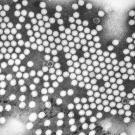
The human body’s immune system has been developed to successfully battle foreign invaders including bacteria, parasites, and viruses. Immunotherapy is the idea that the power of the immune system can be utilized against diseases such as cancer. Typically, the immune system does not harm the body’s own cells, preventing it from being extremely effective against cancer. However with ...

SV2A is a Galactose Transporter

SV2A is a synaptic vesicle protein, which participates in the regulation of neurotransmitter release in humans. SV2A is expressed in neurons and endocrine cells. The exact function of SV2A is still unknown, but it has been identified that SV2A is the binding site for the antiepileptic drug, levetiracetam. Levetiracetam reduces presynaptic glutamate release, especially in neurons with high frequency firing.

Evolution of Tooth Enamel

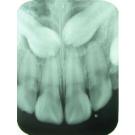
One feature that sets humans apart from other primates is the thickness of tooth enamel. Scientists at Duke University have recently discovered evidence on how evolution has resulted in thickened enamel for human teeth. By comparing the human genome to five other primate species, geneticists and evolutionary anthropologists were able to identify two segments of DNA where ...

New Target For Alzheimer’s Treatment

A group of researchers studying brain cells have found a new potential target for pharmacological therapies that may help treat Alzheimer’s disease. Beta amyloid plaque, which appears to be a toxic build up of fragments of amyloid precursor protein (APP) in the brain, has long been associated with Alzheimer’s disease, and has been one of the major targets for Alzheimer’s treatment ...

The hunter-gatherer gut microbiome

In a paper published in Nature Communications on April 15, researchers profiled the gut microbiota of a group of hunter-gatherers in Tanzania known as the Hadza. They compared the results to those of people living in Italy, and found that the two groups have very different species composition. The Hadza don’t only have different kinds of gut microbes than Westerners, but a more diverse ...

Green Tea Can Improve Your Memory

Green tea has been said to have several health benefits including helping prevent certain types of cancer and inflammation. In a new study done by Dr. Beglinger and Dr. Borgwardt at the University of Basel in Switzerland, they have found that green tea extract enhances cognitive functions, particularly the working memory because green tea extract increases the brain’s ...

Lab Engineered Cartilage used in Nose Reconstruction

Researchers at the University of Basel in Switzerland have successfully used lab-engineered cartilage for nose reconstruction. This study was conducted on five patients between ages 76 and 88 who had significant nasal damage after skin cancer surgery. One year after the replacement, all of them note significant improvement in the ability to breathe as well as cosmetic appeal, and no patients ...