Fellow explorer! We are currently migrating content published before 2024. Archives of our old website are available at Wayback Machine.


Microbiology

A New Titan Among Bacteria

What are some of the largest living things you can think of? An elephant? A blue whale? What about the giant sequoias or towering redwoods? There are a lot of “biggest” organisms in the world, but would you ever expect a bacterium to claim that title? Just recently, a new king of giant bacteria was crowned. Candidatus Thiomargarita magnifica, a bacteria whose cells can stretch ...

The Gut Microbiome and Obesity

Roughly 30% of people worldwide are overweight or obese. In the past four decades, obesity rates have nearly doubled in over seventy countries. Overweight and obese individuals are at higher risk for various illnesses such as type 2 diabetes and heart disease. A healthy diet and exercise are known methods to combat and prevent obesity. Unfortunately, many people with low ...

Can Polio Cure Cancer?

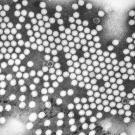
The human body’s immune system has been developed to successfully battle foreign invaders including bacteria, parasites, and viruses. Immunotherapy is the idea that the power of the immune system can be utilized against diseases such as cancer. Typically, the immune system does not harm the body’s own cells, preventing it from being extremely effective against cancer. However with ...

The hunter-gatherer gut microbiome

In a paper published in Nature Communications on April 15, researchers profiled the gut microbiota of a group of hunter-gatherers in Tanzania known as the Hadza. They compared the results to those of people living in Italy, and found that the two groups have very different species composition. The Hadza don’t only have different kinds of gut microbes than Westerners, but a more diverse ...

Engineering Hepatitis Virus-like Particles for Oral Vaccine Delivery

Oral vaccines are known to be a convenient and effective method for treatment or prevention of diseases caused by pathogenic microorganisms. The difficulty of developing such vaccines is due to the often inhospitable environment of the stomach and intestinal tract because of low pH, or acidity, as well as enzymes that can digest or destroy biological molecules. Using a virus-like ...